Supporting Functional Independence Through Occupational Therapy: A Child-Centred Intervention Approach
Every child develops skills at their own pace. However, when difficulties with daily routines, play, motor coordination, organization, or independence begin to affect everyday participation, individualized support can help. This case study describes how Occupational Therapy can support a child experiencing challenges with functional independence, motor skills, play, and executive function. Note: This case study is based on a representative clinical scenario. Identifying details have been modified to protect the child’s privacy and confidentiality.
Client Profile
Age:
5 years
Primary Area of Support:
Developmental delays, communication difficulties, motor coordination and difficulties with everyday functional activities
Key Areas of Concern:
* Difficulty completing daily routines
* Challenges with fine and gross motor coordination
* Difficulty initiating and completing activities
* Limited play skills
* Difficulty following multi-step routines
* Need for frequent adult prompting
* Challenges with organization and transitions
Initial Concerns Reported by the Family
The parents reported that their child often required assistance with everyday tasks that were becoming increasingly important for independence. Some of the concerns included:
* Needing repeated reminders to begin tasks
*Difficulty completing routines independently
*Challenges with dressing and managing personal belongings
*Difficulty transitioning between activities
*Avoiding certain play and motor activities
*Difficulty following multiple instructions
*Becoming frustrated when tasks became challenging The family wanted their child to become more independent and confident in everyday activities
Occupational Therapy Assessment
The Occupational Therapist conducted an individualized assessment to understand the child’s strengths, challenges, and functional needs. The assessment considered several areas, including:
Fine Motor Skills
The therapist observed hand use, coordination, manipulation of objects, and performance during age-appropriate fine motor activities
Executive Function Skills
The assessment looked at the child's ability to: • Start tasks • Follow sequences • Remember instructions • Organize materials • Transition between activities • Solve simple problems • Complete tasks
Functional Independence
Daily activities such as dressing, organizing belongings, and following routines were also considered.
Gross Motor Skills
Movement, balance, coordination, and participation in age-appropriate physical activities were considered.
Play Skills
The therapist observed how the child: • Explored toys • Used toys functionally • Participated in structured play • Followed play routines • Adapted during changes • Engaged with others
Key Clinical Observations
The assessment indicated that the child’s difficulties were not limited to one specific skill.
Challenges with motor coordination, task organization, initiation, and transitions were affecting participation across different activities.
For example, the child could complete certain tasks when provided with step-by-step adult support but had difficulty initiating and completing the same activities independently.
This highlighted the importance of focusing on functional participation and independence, rather than working on isolated skills alone.
Individualized Therapy Goals
Based on the assessment, therapy goals were developed around the child’s functional needs. The intervention focused on:
1. Improving Task Initiation
The child was supported in learning strategies to begin familiar activities with reduced adult prompting.
2. Developing Executive Function Skills
Activities were used to support: *Planning * Sequencing * Organization * Problem-solving * Flexible thinking * Task completion
3. Supporting Fine Motor Development
Activities were selected to improve hand control, coordination, dexterity, and functional hand use.
4. Supporting Gross Motor Skills
Movement-based activities were incorporated to encourage coordination, balance, body awareness, and participation in physical play.
5. Developing Play Skills
Play activities were used to encourage functional play, exploration, turn-taking, flexibility, and participation.
6. Increasing Functional Independence
The therapy plan included opportunities to practise age-appropriate daily routines and selfcare activities.
Therapy Approach
We provide feeding therapy for children with:
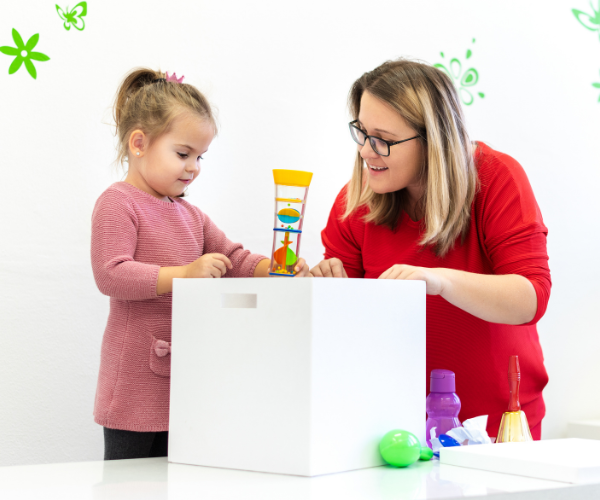
The intervention was designed to be child-centred and functional.Rather than focusing only on repetitive exercises, the therapist incorporated meaningful activities that reflected the child’s interests and everyday routines.
Activities were gradually structured to encourage the child to:
*Make choices
* Follow simple sequences
*Plan an activity
*Complete tasks
*Solve problems
*Manage transitions
*Participate more independently
The level of support was adjusted according to the child’s performance.
Using Play as a Therapeutic Tool
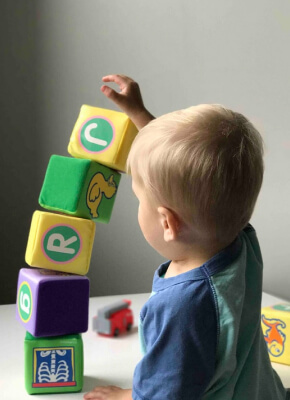
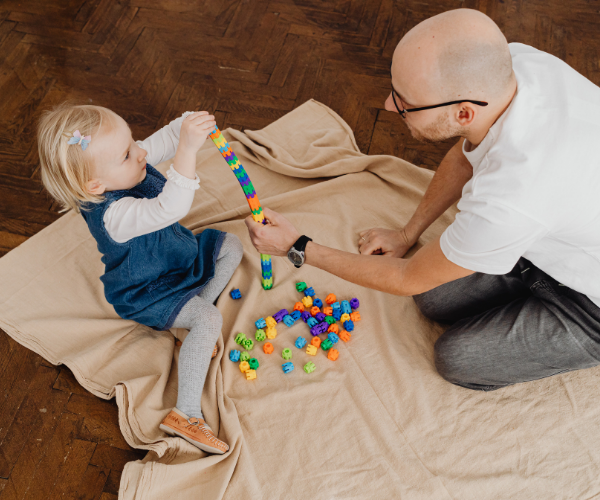
Play was an important part of the intervention. The therapist used motivating activities to work on multiple developmental skills at the same time. For example, a structured building activity could support:
Fine motor coordination
Planning
Problem-solving
Following instructions
Attention to the task
Play skills
Movement-based games could support:
Gross motor coordination
Balance
Motor planning
Turn-taking
Following sequences
Supporting Independence Through Everyday Routines
The family was encouraged to provide opportunities for the child to practise skills during everyday routines.
Instead of completing tasks for the child, parents were guided to provide the appropriate level of support and gradually reduce assistance as the child became more capable.
Strategies included:
Breaking routines into smaller steps Using visual reminders when appropriate Giving the child time to respond Providing limited choices Encouraging the child to attempt tasks independently Praising effort and successful problem-solving Maintaining predictable routines
Parent Involvement
Parent involvement was an important part of the intervention.The family received practical guidance on how to support skill development at home without turning everyday routines into formal therapy sessions.
Parents were encouraged to:
Practise skills during natural routines
Encourage independence
Use consistent instructions
Provide opportunities for problem-solving
Support transitions
Celebrate small achievements
Communicate observations with the therapist Collaboration between the therapist and family helped create greater consistency across environments.
Progress Observed
With continued Occupational Therapy intervention and regular opportunities to practise skills, the child demonstrated positive changes in functional participation.
Progress Included
Improved willingness to participate in activities
Greater independence during familiar routines
Reduced need for repeated adult prompting
Improved ability to follow simple sequences
Better participation in play activities
Increased confidence when attempting challenging tasks
Improved ability to transition between selected activities
Greater participation in age-appropriate daily tasks
Progress was gradual and individualized. The focus remained on meaningful functional improvements rather than comparing the child with the developmental expectations of other children.
Progress Observed
This case demonstrates why Occupational Therapy should consider the whole child and how different skills work together during everyday activities.
A child may experience difficulty completing a simple daily activity because several underlying skills are involved.
For Example: Getting Ready for School May Require
Motor coordination
Fine motor skills
Planning
Sequencing
Organization
Attention to the task
Problem-solving
Independence
Addressing these skills in isolation may not always be enough. Functional Occupational Therapy considers how these abilities come together during real-life activities and routines.
Key Takeaways for Parents
Parents may consider seeking professional guidance when developmental or functional difficulties consistently interfere with their child’s everyday participation.
Important Signs May Include
Persistent difficulty with self-care
Challenges with motor activities
Difficulty completing daily routines
Frequent need for adult prompting
Difficulty transitioning between activities
Challenges with play skills
Difficulty organizing or completing tasks
Reduced independence compared with the child’s previous abilities
Early assessment can help families better understand their child’s individual strengths, challenges, and areas where additional support may be beneficial.
The Role of Occupational Therapy
Occupational Therapy can help children develop practical skills that support participation, confidence, and independence in everyday life.
Depending on the child’s individual needs, Occupational Therapy intervention may address:
Fine motor skills
Gross motor skills
Sensory regulation
Executive function skills
Play skills
Early literacy skills
Self-care skills
Functional independence
School participation
The specific goals and intervention approach should always be individualized based on the child’s assessment and functional needs.
Conclusion
Occupational Therapy is not simply about improving individual motor skills. It is about helping children participate more successfully in the activities that matter in their everyday lives.
Through individualized assessment, child-centred intervention, meaningful play, parent collaboration, and functional practice, children can be supported in developing greater confidence and independence.
At Aspire Child Development & Rehabilitation Center, our Occupational Therapy services are tailored to each child’s developmental profile and functional needs. Our approach focuses on practical skills that can support participation across home, school, play, and everyday routines.
Looking for Occupational Therapy Support in the UAE?
If you have concerns about your child’s:
Motor skills
Independence
Play skills
Executive function
Daily routines
Participation in everyday activities
A professional Occupational Therapy assessment can help you better understand your child’s needs and identify appropriate next steps.