



- Written by: admin@aspire.com
- September 17, 2026
- Categories: Uncategorized
- Tags:
Supporting Children with Neurodevelopmental and Genetic Disorders Through Individualised Therapy
Introduction
Every child develops in their own way. Some children may experience challenges with communication, movement, learning, behaviour, feeding or daily activities due to neurodevelopmental or genetic conditions.
These challenges may affect different areas of a child’s life. Some children may need support with speech and language, while others may require assistance with motor skills, self-care, school readiness or social participation.
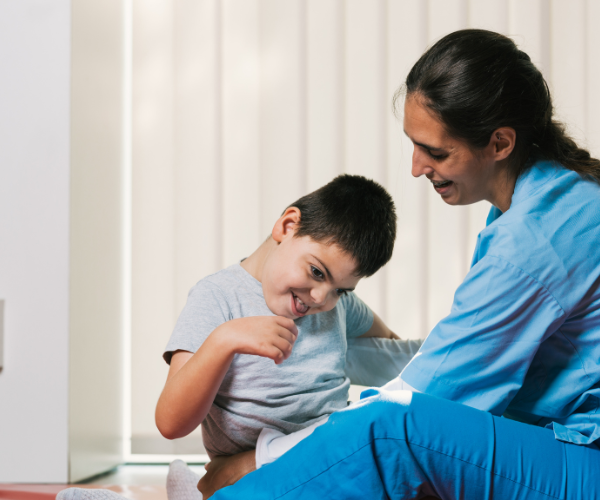
Individualised therapy can help children build functional skills according to their abilities, strengths and needs. It also gives families practical guidance to support development at home and in everyday environments.
At Aspire Child Development & Rehabilitation Center, therapy programmes are planned around the child’s developmental profile and individual goals.
What Are Neurodevelopmental Disorders?
Neurodevelopmental disorders are conditions associated with differences in the development and functioning of the brain and nervous system.
They may affect areas such as:
- Communication
- Learning
- Movement
- Behaviour
- Social interaction
- Attention and executive functioning
- Sensory processing
- Daily living skills
The way a condition affects a child can vary significantly. Some children may have mild challenges in one area, while others may require more comprehensive support across several developmental areas.
What Are Genetic Disorders?
Genetic disorders are conditions caused by changes in genes or chromosomes. Some genetic conditions are inherited, while others may occur due to changes that happen during development.
Genetic conditions may affect a child’s:
- Physical development
- Speech and language
- Motor skills
- Learning abilities
- Feeding skills
- Sensory processing
- Communication
- Independence
- Social participation
Not every child with the same genetic condition will have the same abilities or support needs. Individual assessment is important to understand the child’s strengths and challenges.
Examples of Conditions That May Require Developmental Support
Children with different developmental, neurological or genetic conditions may benefit from therapy and structured support.
These may include:
- Autism spectrum disorder
- Cerebral palsy
- Developmental delays
- Genetic disorders
- Neurological conditions
- Speech and language disorders
- Learning difficulties
- Developmental coordination difficulties
- Intellectual and developmental disabilities
- Communication difficulties
- Feeding and oral-motor challenges
This list is not exhaustive. A qualified professional can help determine which services may be appropriate for a child’s specific needs.
Why Individualised Therapy Matters
Children with similar diagnoses may have different strengths, preferences and developmental goals.
For example:
- One child may communicate using words.
- Another child may use gestures, pictures or alternative communication methods.
- One child may walk independently.
- Another child may need support with balance and movement.
- One child may need help with school readiness.
- Another child may require support with self-care and daily routines.
An individualised therapy plan considers the child rather than focusing only on the diagnosis.
Therapy goals may be based on:
- The child’s age
- Developmental abilities
- Communication style
- Motor skills
- Sensory preferences
- Learning needs
- Family priorities
- School requirements
- Daily routines
- Areas where the child needs greater independence
How Speech and Language Therapy Can Help
Speech and language therapy may support children who experience difficulties with communication, understanding language, speech clarity or fluency.
Depending on the child’s needs, therapy may focus on:
- Understanding language
- Expressing needs and ideas
- Vocabulary development
- Sentence formation
- Speech clarity
- Sound production
- Fluency and stuttering
- Social communication
- Narrative skills
- Following instructions
- Functional communication
- Alternative or supported communication methods
Speech and language therapy may also support children with communication challenges associated with developmental delays, autism, neurological conditions, genetic disorders and other developmental needs.
The therapist selects suitable activities based on the child’s communication level and everyday goals.
How Occupational Therapy Can Help
Occupational therapy focuses on helping children participate in meaningful daily activities.
For children with neurodevelopmental or genetic conditions, occupational therapy may support:
- Gross motor skills
- Fine motor skills
- Motor planning
- Coordination
- Sensory processing
- Self-care skills
- Dressing
- Feeding routines
- Toileting routines
- Literacy skills
- Executive function skills
- Play skills
- Independence at home and school
Therapy may include structured activities, movement-based tasks, play activities and practical routines.
The aim is to help the child participate more effectively in activities that are important to their daily life.
The Role of Early Intervention
Early intervention provides support during the early years when children are developing important communication, movement, learning and social skills.
Early support may help families:
- Understand the child’s developmental profile
- Identify strengths and areas of need
- Establish practical goals
- Support communication
- Encourage play and interaction
- Develop motor skills
- Build self-care abilities
- Prepare for school
- Learn strategies for home routines
Early intervention does not mean that every child will develop at the same pace. It means providing suitable support according to the child’s needs and developmental stage.
Supporting School Readiness and Learning
Children with developmental or genetic conditions may need additional preparation before entering school or participating in classroom activities.
Support may focus on:
- Following simple instructions
- Sitting for age-appropriate activities
- Participating in group routines
- Using classroom materials
- Developing pre-literacy skills
- Improving fine motor control
- Communicating needs
- Managing transitions
- Building independence
- Participating in structured play
School readiness goals should be realistic, functional and suited to the child’s abilities.
Collaboration between parents, therapists and educators can help create consistency across different environments.
Supporting Communication Beyond Spoken Words
Not every child communicates through spoken language. Some children may use gestures, facial expressions, pictures, communication boards or other supported communication methods.
Communication support may help children:
- Request items
- Express choices
- Communicate discomfort
- Ask for help
- Share interests
- Respond to others
- Participate in routines
- Express emotions
- Improve independence
The goal is to help the child communicate effectively in a way that is meaningful and accessible to them.
Supporting Families at Home
Family involvement is an important part of developmental support.
Following Consistent Routines
Predictable routines can help children understand what is happening next and participate more comfortably.
Using Clear Instructions
Simple and direct instructions may make activities easier to understand.
Offering Choices
Offering two suitable choices can encourage communication and participation.
Practising Skills During Daily Activities
Skills can be practised during dressing, mealtimes, play, bathing, shopping and other familiar routines.
Encouraging Communication
Respond to the child’s gestures, sounds, words or communication methods and give them time to respond.
Celebrating Progress
Recognise small steps and improvements instead of comparing the child with others.
Sharing Observations With Therapists
Parents can share information about the child’s behaviour, preferences, progress and challenges at home. This can help therapists adjust goals and activities when needed.
Why a Team-Based Approach Can Be Helpful
Children with complex developmental needs may benefit from support across different areas.
Depending on the child’s requirements, a team may include:
- Speech and language therapists
- Occupational therapists
- Special educators
- Developmental professionals
- Medical professionals
- Parents and caregivers
- Teachers and school support staff
Each professional may contribute to different aspects of the child’s development.
Communication between the family and professionals can help ensure that therapy goals remain practical and connected to everyday life.
When Should Parents Seek Developmental Support?
Parents may consider seeking professional guidance if their child:
- Is not meeting expected developmental milestones
- Has difficulty communicating needs
- Struggles with movement or coordination
- Finds self-care activities difficult
- Has feeding or oral-motor challenges
- Has difficulty participating in play
- Finds school routines challenging
- Has difficulty understanding or following instructions
- Experiences persistent developmental challenges
- Has been diagnosed with a neurodevelopmental or genetic condition
A developmental assessment can help identify the child’s strengths, needs and suitable support options.
Conclusion
Children with neurodevelopmental and genetic disorders may experience challenges in communication, movement, learning, play and daily living skills. Individualised therapy can help identify practical goals and support the child’s participation in everyday activities.
A child-focused approach recognises that every child has different abilities, preferences and developmental needs. With appropriate guidance and family involvement, children can work towards greater communication, independence and participation.
Frequently Asked Questions
Individualised therapy is planned according to a child’s specific strengths, developmental abilities, challenges and family goals rather than using the same programme for every child.
Many children with genetic disorders may benefit from developmental support. The type of therapy depends on the child’s abilities, needs and daily challenges.
Depending on the child’s needs, support may include speech and language therapy, occupational therapy, early intervention, special education and school readiness programmes.
Speech and language therapy may support functional communication in different ways. This may include gestures, pictures, communication systems or spoken language, depending on the child’s abilities.
Occupational therapy may support gross motor skills, fine motor skills, sensory processing, self-care, literacy skills, executive function skills, play skills and independence.
Early intervention can help families understand a child’s developmental needs and begin suitable support during the early years.
Parents can follow consistent routines, practise skills during daily activities, encourage communication, offer choices and share observations with the therapy team.