





- Written by: admin@aspire.com
- September 17, 2026
- Categories: Uncategorized
- Tags:
How Play Supports Child Development: The Role of Play-Based Therapy
Introduction
Play Therapy is an important part of childhood. It gives children opportunities to explore their surroundings, express themselves, build relationships and learn new skills.
For children, play is not only a way to have fun. It also supports communication, movement, problem-solving, imagination, emotional development and independence. Through play, children practise skills that are useful at home, in school and in social situations.
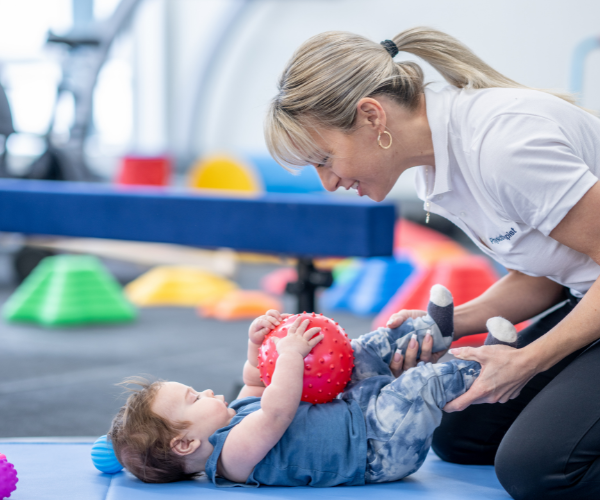
Some children may need additional support to participate in play, interact with others or develop age-appropriate play skills. In such cases, play-based therapy can provide a comfortable and engaging way to support development.
Why Is Play Important for Child Development?
Play allows children to learn naturally through active participation. It helps them practise skills repeatedly without making learning feel like a formal task.
Through play, children can develop:
- Communication skills
- Social interaction
- Fine motor skills
- Gross motor skills
- Problem-solving abilities
- Imagination and creativity
- Emotional expression
- Turn-taking
- Attention to activities
- Motor planning
- Independence
- Confidence and flexibility
Every child develops at their own pace. The type of play a child enjoys and the way they participate may change according to their age, interests and developmental needs.
How Play Supports Different Areas of Development
1. Play Supports Communication Skills
Play creates many opportunities for children to communicate with parents, siblings, therapists and peers.
During play, children may practise:
- Requesting toys or activities
- Naming objects
- Following simple instructions
- Answering questions
- Describing actions
- Using gestures
- Taking turns in conversations
- Expressing likes and dislikes
- Developing pretend-play language
- Understanding social communication
For example, playing with toy food may encourage a child to name foods, ask for items and use simple phrases. Pretend play can also help children practise conversations and everyday situations.
Children who experience speech and language difficulties may benefit from activities that encourage communication in a motivating and meaningful way.
2. Play Develops Fine Motor Skills
Fine motor skills involve using the small muscles of the hands and fingers. These skills are important for daily activities and learning tasks.
Play activities that may support fine motor development include:
- Building with blocks
- Completing puzzles
- Using play dough
- Threading beads
- Turning pages
- Picking up small toys
- Drawing and colouring
- Using child-safe scissors
- Opening and closing containers
- Completing simple craft activities
These activities can help children practise hand strength, coordination, grasp, precision and hand-eye coordination.
Fine motor skills also support future activities such as dressing, feeding, drawing and literacy-related tasks.
3. Play Encourages Gross Motor Development
Gross motor skills involve larger body movements and are important for balance, coordination and physical participation.
Active play may include:
- Running
- Jumping
- Climbing
- Balancing
- Throwing and catching
- Kicking a ball
- Hopping
- Crawling through tunnels
- Obstacle courses
- Dancing to music
These activities can help children practise body awareness, balance, strength, coordination and motor planning.
Gross motor development can also support confidence during playground activities and participation in group games.
4. Play Builds Social Skills
Play gives children opportunities to interact with others and learn how relationships work.
During shared play, children may practise:
- Taking turns
- Sharing materials
- Waiting
- Following simple rules
- Asking for help
- Joining an activity
- Responding to others
- Understanding personal space
- Cooperating with peers
- Managing small disagreements
Parallel play, where children play alongside one another, may be an important stage before more interactive play develops. Children do not always begin with cooperative play, and their social participation may develop gradually.
Adults can support social play by modelling simple language, demonstrating turn-taking and creating activities that match the child’s developmental level.
5. Play Supports Problem-Solving and Thinking Skills
Many play activities encourage children to think, plan and find solutions.
Examples include:
- Completing puzzles
- Building towers
- Sorting objects
- Matching pictures
- Playing simple board games
- Finding hidden objects
- Completing obstacle courses
- Following a sequence of actions
- Building with construction toys
- Pretending to solve everyday problems
These activities may support:
- Planning
- Memory
- Flexible thinking
- Decision-making
- Cause-and-effect understanding
- Attention to tasks
- Early reasoning skills
Play also gives children opportunities to try again when something does not work the first time.
6. Play Encourages Imagination and Pretend Play
Pretend play allows children to use imagination and explore familiar experiences.
Children may pretend to:
- Cook food
- Care for a doll
- Drive a car
- Visit a doctor
- Go shopping
- Teach a class
- Run a restaurant
- Take care of animals
Pretend play can support language development, creativity, sequencing, emotional expression and understanding of everyday routines.
It may also help children explore experiences that feel unfamiliar, such as visiting a clinic, starting school or meeting new people.
7. Play Supports Emotional Development
Children often communicate feelings through play before they can fully explain them using words.
Play may help children practise:
- Expressing emotions
- Managing frustration
- Waiting for a turn
- Coping with changes
- Asking for support
- Understanding simple feelings
- Building confidence
- Developing flexibility
- Recovering after mistakes
A supportive adult can help by naming emotions and modelling appropriate responses.
For example:
- “You are feeling upset because the tower fell.”
- “Let’s try again together.”
- “You can ask for help.”
- “We can take a short break.”
These simple interactions can help children understand and communicate their emotional experiences.
What Is Play-Based Therapy?
Play-based therapy uses meaningful and engaging play activities to support a child’s developmental goals.
Instead of relying only on formal exercises, the therapist may use toys, games, movement activities, pretend play and everyday tasks to encourage skill development.
The activities are selected according to the child’s:
- Age
- Developmental level
- Interests
- Communication abilities
- Motor skills
- Sensory preferences
- Learning needs
- Family priorities
Play-based activities can make therapy more engaging and may encourage children to participate actively in the session.
How Play-Based Therapy May Support Children
Play-based therapy may be used to support different developmental areas, including:
Communication and Language
Activities may encourage requesting, naming, understanding instructions, answering questions and using language during meaningful interactions.
Motor Skills
Games and movement activities may support fine motor coordination, gross motor skills, balance, strength and motor planning.
Play Skills
Some children may need support to explore toys, use objects appropriately, develop pretend play or participate in shared activities.
Social Participation
Play may be used to practise turn-taking, joint activities, cooperation and interaction with adults or peers.
School Readiness
Play activities may help children practise following instructions, completing tasks, using classroom materials and transitioning between activities.
Independence
Everyday play routines may support skills such as opening containers, feeding dolls, dressing toys, organising materials and completing simple sequences.
Examples of Play-Based Activities
The following activities may be adapted according to a child’s needs and developmental level.
Building Blocks
Building blocks can support fine motor skills, visual-spatial understanding, planning, creativity and problem-solving.
Puzzles
Puzzles may encourage matching, visual attention, persistence, hand-eye coordination and thinking skills.
Pretend Kitchen Play
Pretend cooking can support vocabulary, sequencing, social interaction and understanding of daily routines.
Ball Games
Rolling, throwing, catching and kicking a ball may support coordination, movement planning and turn-taking.
Play Dough
Play dough activities may support hand strength, finger control, creativity and sensory exploration.
Obstacle Courses
Simple obstacle courses can encourage balance, gross motor coordination, planning and following instructions.
Matching and Sorting Games
Sorting by colour, shape or size may support early learning, categorisation and problem-solving.
Story-Based Play
Using dolls, puppets or toys during stories may support language, imagination, sequencing and emotional expression.
How Parents Can Encourage Play at Home
Parents do not need expensive toys or complicated activities to support development through play. Everyday objects and simple routines can create valuable learning opportunities.
Follow Your Child’s Interests
Observe what your child enjoys and use those interests to encourage interaction and learning.
Join the Play
Sit at your child’s level, follow their actions and take part without taking complete control of the activity.
Use Simple Language
Describe what your child is doing and model short, meaningful phrases.
For example:
- “Car is going.”
- “The tower is tall.”
- “Your turn.”
- “Let’s build together.”
Encourage Turn-Taking
Use simple games that involve taking turns, such as rolling a ball, adding blocks or completing a puzzle together.
Allow Time for Exploration
Give your child time to explore toys and activities instead of expecting immediate responses.
Keep Activities Age-Appropriate
Choose activities that are safe and suitable for your child’s developmental level.
Make Play Part of Everyday Routines
Play can happen during cooking, bathing, dressing, shopping, outdoor walks and bedtime routines.
Avoid Comparing Children
Children develop different skills at different times. Focus on your child’s progress, participation and confidence.
When May a Child Need Additional Support With Play?
Parents may consider professional guidance if a child:
- Shows very limited interest in play
- Finds it difficult to explore toys
- Does not engage in age-appropriate play
- Struggles to imitate simple actions
- Finds shared play difficult
- Has difficulty taking turns
- Becomes distressed during play activities
- Avoids movement-based activities
- Has difficulty using both hands during play
- Struggles to communicate during play
- Finds it difficult to transition between activities
These signs do not automatically indicate a developmental condition. However, if they consistently affect participation, a developmental assessment may help identify appropriate support.
Conclusion
Play is one of the most meaningful ways children learn and develop. It supports communication, movement, thinking, social interaction, emotional expression and independence.
When a child needs additional support, play-based therapy can make developmental activities more engaging and relevant to the child’s everyday life.
Frequently Asked Questions
Play supports communication, motor skills, problem-solving, imagination, emotional development, social interaction and independence.
Play-based therapy uses engaging play activities to support a child’s individual developmental goals, such as communication, motor skills, social participation or school readiness.
Yes. Play creates opportunities for children to practise naming objects, requesting, following instructions, answering questions and using language during meaningful interactions.
Play activities such as puzzles, blocks, play dough, threading and drawing may help children practise hand strength, coordination and finger control.
Pretend play supports imagination, language, sequencing, creativity, emotional expression and understanding of everyday experiences.
Parents can follow their child’s interests, join the play, use simple language, encourage turn-taking and include play in everyday routines.
Parents may seek professional guidance when play difficulties are persistent or affect communication, learning, movement, social interaction, daily routines or participation in age-appropriate activities.