



- Written by: admin@aspire.com
- September 8, 2026
- Categories: aspire
- Tags:
How to Encourage Functional Communication in Children
Introduction
Communication is much more than speaking in complete sentences. For children, being able to communicate a need, make a choice, ask for help, share an interest, or express an emotion is an important part of everyday life.
This is known as functional communication.
Some children may understand what they want to communicate but have difficulty expressing themselves. Others may use words or gestures but struggle to communicate effectively during everyday situations.
Functional communication support focuses on helping children communicate for meaningful purposes across home, school, therapy, and community environments.
At Aspire Child Development & Rehabilitation Center, Speech-Language Therapists work with children and families to develop communication skills that are practical, meaningful, and individualized.
What Is Functional Communication?
Functional communication is the ability to communicate effectively for a specific purpose.
A child may communicate to:
- Request an item
- Ask for help
- Make a choice
- Reject something
- Share information
- Gain someone’s attention
- Answer a question
- Express feelings
- Participate in an interaction
Functional communication does not always have to involve spoken words.
Depending on the child’s abilities, communication may involve:
- Words and sentences
- Gestures
- Facial expressions
- Pointing
- Pictures
- Communication boards
- Augmentative and Alternative Communication (AAC) systems
The most important goal is to give the child an effective way to communicate.
Why Is Functional Communication Important?
When children can communicate their needs and ideas effectively, they can participate more actively in everyday life.
Functional communication can support:
- Independence
- Social interaction
- Learning
- Participation in play
- Family routines
- Emotional expression
- Confidence
- Reduced communication-related frustration
For children who have difficulty expressing themselves, providing appropriate communication opportunities can make everyday interactions more successful.
Signs a Child May Need Support With Functional Communication
Parents may notice that a child:
- Pulls an adult toward desired objects instead of communicating
- Becomes frustrated when unable to express a need
- Has difficulty asking for help
- Does not consistently communicate choices
- Relies heavily on gestures without developing other communication methods
- Has difficulty answering simple questions
- Struggles to communicate during play
- Has difficulty expressing emotions or discomfort
These behaviors can have different causes. A professional assessment can help identify the child’s individual communication needs.
Functional Communication in Everyday Routines
Children have opportunities to communicate throughout the day. Everyday routines can provide natural opportunities to practise communication skills.
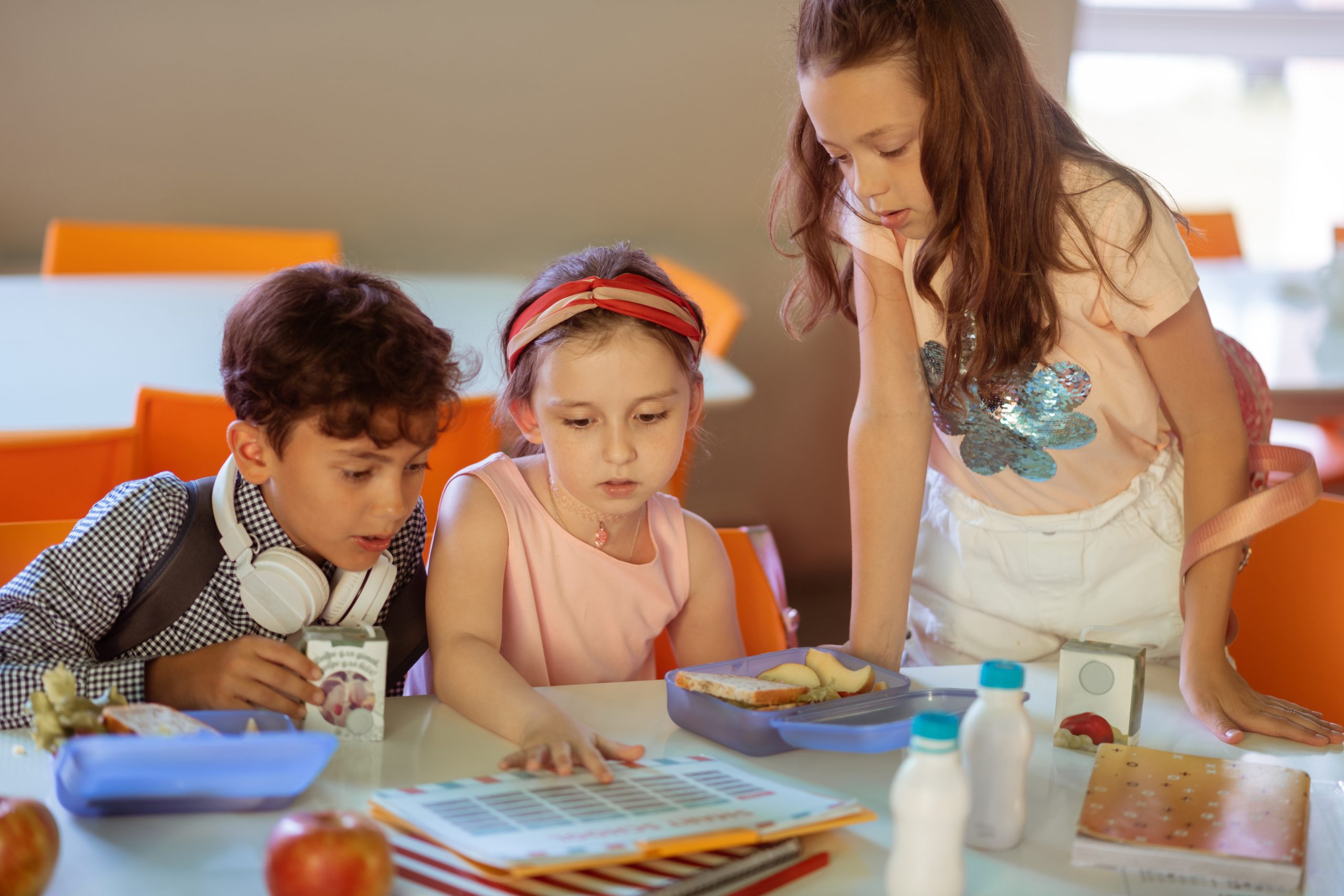
Mealtime
Mealtimes can encourage children to:
- Request food
- Choose between options
- Ask for more
- Indicate that they are finished
- Name familiar foods
Parents can create opportunities for communication without turning mealtime into a formal lesson.
Getting Dressed
Dressing provides opportunities to:
- Choose clothing
- Name clothing items
- Ask for help
- Follow simple directions
- Communicate preferences
Bath Time
Bath routines can support communication through:
- Naming body parts
- Requesting items
- Following simple instructions
- Learning action words
- Making choices
Play
Play is a natural environment for communication.
Children can practise:
- Requesting toys
- Taking turns
- Making choices
- Commenting
- Imitating words or actions
- Sharing attention
Following the child’s interests can make communication more motivating.
How Parents Can Encourage Functional Communication
1. Create Opportunities to Communicate
Children need opportunities to initiate communication.
Instead of anticipating every need immediately, parents can create natural opportunities for the child to communicate.
For example, offer a choice between two preferred items and allow the child time to indicate their preference.
2. Offer Choices
Choices can make communication meaningful.
Instead of asking:
“What do you want?”
Try:
“Apple or banana?”
The child can then communicate their choice using their available communication method.
3. Model Useful Language
Use short, functional phrases that match the situation.
For example:
- “Open please.”
- “More bubbles.”
- “Help me.”
- “My turn.”
- “All done.”
The language should be appropriate to the child’s current communication level.
4. Give Time to Respond
Some children require additional time to process information and formulate a response.
After speaking or asking a question, pause and give the child an opportunity to communicate.
Avoid immediately answering for the child.
5. Follow the Child’s Interests
Children are often more motivated to communicate when they are engaged in something they enjoy.
If a child loves cars, use car play to introduce opportunities for requesting, commenting, turn-taking, and interaction.
6. Respond to All Communication Attempts
Communication attempts may not always involve spoken words.
A child may point, gesture, look toward an object, make a sound, use a picture, or use an AAC system.
Responding meaningfully teaches the child that communication is effective.
Functional Communication and AAC
Some children may benefit from Augmentative and Alternative Communication (AAC).
AAC refers to communication methods that support or supplement spoken communication.
Examples include:
- Picture-based communication
- Communication boards
- Symbol systems
- Speech-generating devices
AAC is not limited to children who do not speak. It can also support children whose spoken communication is difficult to understand or insufficient for their daily needs.
A Speech-Language Therapist can assess whether AAC may be appropriate and help identify a communication system that matches the child’s needs.
Role of Speech Therapy
Speech Therapy can support functional communication by identifying how a child currently communicates and determining what skills need to be developed.
Intervention may focus on:
- Requesting
- Making choices
- Expressing needs
- Answering questions
- Vocabulary development
- Sentence formation
- Social communication
- Functional use of language
- AAC when appropriate
- Parent coaching
Therapy goals should be practical and connected to the child’s real-life communication needs.
Functional Communication and Autism
Children with Autism Spectrum Disorder (ASD) may experience differences in social communication and language development.
Functional communication support can help children communicate:
- Wants and needs
- Choices
- Feelings
- Requests for help
- Preferences
- Comments and interests
The communication approach should be individualized to the child’s developmental profile and existing communication abilities.
Functional Communication at School
Communication skills are also important for classroom participation.
Children may need to communicate to:
- Ask for help
- Follow classroom routines
- Answer questions
- Participate in group activities
- Interact with teachers
- Engage with peers
- Communicate when they need a break
Supporting functional communication across environments helps children use their skills beyond therapy sessions.
What Parents Should Avoid
Parents sometimes unintentionally create pressure around communication.
Try to avoid:
- Repeatedly demanding that a child “say it”
- Correcting every communication attempt
- Asking too many questions in a short period
- Speaking for the child immediately
- Comparing the child’s communication with another child’s development
Instead, focus on creating meaningful opportunities and responding positively to communication attempts.
When Should Parents Seek Professional Support?
Consider consulting a Speech-Language Therapist if your child:
- Has difficulty communicating basic needs
- Becomes frequently frustrated when communicating
- Has limited functional communication
- Has difficulty understanding or using language
- Struggles to participate in conversations
- Relies heavily on non-functional behaviors to communicate
An assessment can help identify the child’s strengths and areas requiring support.
Conclusion
Functional communication helps children participate more independently in everyday life. Whether a child communicates using speech, gestures, pictures, or an AAC system, the goal is to provide an effective and meaningful way for them to express their needs, choices, thoughts, and feelings.
With individualized support and opportunities to practise communication across everyday environments, children can develop skills that are meaningful and useful in their daily lives.
If you have concerns about your child’s communication development, consider speaking with a qualified Speech-Language Therapist for an individualized assessment and guidance
Contact Aspire Child Development & Rehabilitation
Center
Location: Villa 45, Al Nuaimiya, Ajman, UAE
Phone: +971 56 962 6159 | +971 6 523 8784
Email: info@aspirecenter.ae
Frequently Asked Questions
Functional communication is the ability to communicate for meaningful everyday purposes,
such as requesting, making choices, asking for help, sharing information, and expressing
feelings
No. Functional communication can involve spoken language, gestures, pointing,pictures, communication boards, or AAC systems.
Yes. Play provides natural opportunities for requesting, turn-taking, commenting, making choices, and social interaction.
No. AAC can support children who have limited speech, unclear speech, or difficulty communicating effectively through speech alone.
Parents can provide choices, model useful language, follow the child’s interests, allow time to respond, and create communication opportunities during everyday routines.