





- Written by: admin@aspire.com
- September 8, 2026
- Categories: aspire
- Tags:
Understanding Social Communication Difficulties in Children
Introduction
Communication is not only about speaking words. Children also need to understand how to use communication when interacting with other people.
Social communication includes the skills children use to start and maintain interactions, understand social situations, respond to others, share attention, and participate in conversations and activities.
Some children may have difficulty understanding or using these skills. They may speak clearly but struggle to maintain a conversation, understand another person’s perspective, respond appropriately, or know how to interact with peers.
Social communication difficulties can affect relationships, play, classroom participation, and everyday interactions.
At Aspire Child Development & Rehabilitation Center, Speech-Language Therapists assess each child’s communication profile and provide individualized support based on their strengths and needs.
What Is Social Communication?
Social communication refers to how we use communication with other people. It involves both verbal and non-verbal communication.
Verbal Social Communication
This may include:
- Starting conversations
- Responding to others
- Taking turns while talking
- Staying on a topic
- Asking relevant questions
- Sharing information
- Adjusting language according to the situation
Non-Verbal Social Communication
This may include:
- Facial expressions
- Gestures
- Body language
- Eye gaze
- Tone of voice
- Understanding personal space
Children develop these skills gradually through everyday interactions and experiences.
What Are Social Communication Difficulties?
A child with social communication difficulties may know many words but find it difficult to use communication effectively in social situations.
For example, a child may:
- Talk extensively about a preferred topic
- Find it difficult to take turns in conversation
- Give responses that do not match the question
- Have difficulty starting or ending conversations
- Struggle to understand non-verbal cues
- Find group interactions challenging
The presentation can vary significantly from child to child.
Common Signs Parents May Notice
Difficulty Starting Interactions
Some children may rarely initiate communication with parents, siblings, teachers, or peers. They may wait for others to approach them rather than starting an interaction themselves.
Difficulty Maintaining Conversations
A child may answer a question but have difficulty continuing the conversation. They may provide very short responses or change the topic unexpectedly.
Difficulty Taking Turns
Conversation requires people to listen and respond to one another.
Some children may interrupt frequently, talk for long periods, or find it difficult to wait for their turn.
Difficulty Understanding Social Cues
Children may struggle to interpret:
- Facial expressions
- Gestures
- Tone of voice
- Body language
- Changes in another person’s emotions
This can make social situations confusing.
Difficulty Understanding the Context
Children need to adjust communication depending on where they are and who they are talking to.
A child may find it difficult to understand that the way they communicate with a parent may differ from how they communicate with a teacher or an unfamiliar person.
How Social Communication Difficulties Can Affect Children
Social communication plays an important role in several areas of childhood.
At Home
Children may have difficulty participating in family conversations or communicating their thoughts and experiences.
At School
Social communication difficulties may affect:
- Classroom discussions
- Group activities
- Asking teachers for help
- Understanding social expectations
- Interacting with classmates
During Play
Children may find it difficult to:
- Join other children
- Take turns
- Follow shared play ideas
- Negotiate during play
- Respond to peers
These difficulties may sometimes lead to frustration or withdrawal from social activities.
Social Communication and Autism Spectrum Disorder
Social communication differences are commonly associated with Autism Spectrum Disorder (ASD).
Children with ASD can have different communication profiles. Some may use very few spoken words, while others may have strong vocabulary and sentence skills but experience difficulty with the social use of communication.
For this reason, a child’s ability to speak does not necessarily indicate how easily they can communicate socially.
A comprehensive assessment can help identify the child’s individual communication strengths and needs.
Social Communication and Other Developmental Conditions
Social communication challenges may also be seen in children with:
- Developmental delays
- Neurodevelopmental disorders
- Genetic disorders
- Learning difficulties
However, social communication difficulties can present differently in every child.
Professional assessment is important before making assumptions about the underlying cause.
How Speech Therapy Can Support Social Communication
Speech-Language Therapy can help children develop practical communication skills for everyday interactions.
Depending on the child’s needs, intervention may focus on:
Conversation Skills
Children can practise:
- Starting conversations
- Answering questions
- Asking questions
- Staying on topic
- Taking conversational turns
Understanding Social Language
Therapy may support understanding of:
- Tone of voice
- Facial expressions
- Gestures
- Social cues
- Context-dependent language
Functional Social Interaction
Children can practise communication during:
- Play
- Structured activities
- Everyday routines
- Group interactions
- Role-play situations
Flexible Communication
Children may also learn how to adjust their communication when situations, people, or topics change.
Why Play Can Be Helpful
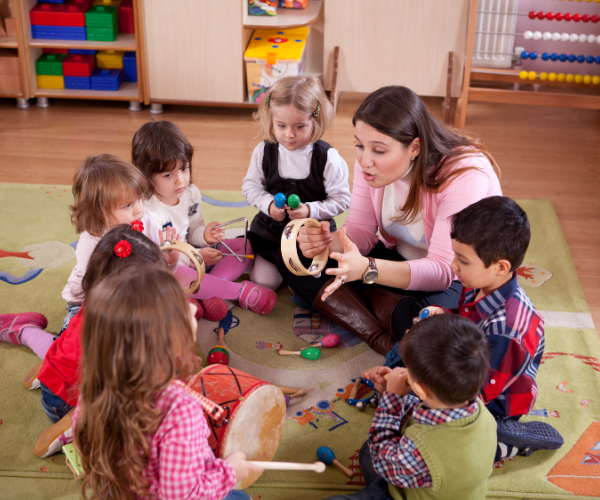
Play provides a natural environment for practising social communication.
During play, children can learn to:
- Share attention
- Take turns
- Request
- Respond
- Follow another person’s ideas
- Introduce their own ideas
- Practise simple conversations
Therapists can use activities that match the child’s interests to make communication more meaningful and motivating.
How Parents Can Support Social Communication at Home
Model Conversation
Parents can demonstrate how conversations work by taking turns speaking and listening.
Follow the Child’s Interests
If a child enjoys a particular toy, activity, or topic, use that interest to create opportunities for interaction.
Encourage Turn-Taking
Simple games can teach children to wait, respond, and participate in shared activities.
Ask Fewer Questions and Comment More
Instead of asking continuous questions, parents can make comments about what the child is doing.
For example:
- “You built a tall tower.”
- “The car is going fast.”
This can reduce pressure and encourage natural interaction.
Give Time to Respond
Allow children enough time to process what has been said and formulate a response.
Avoid immediately answering for the child.
Practise in Real Situations
Social communication skills are most meaningful when children can use them in everyday environments.
Opportunities may include:
- Family meals
- Playtime
- Shopping
- Park visits
- School routines
When Should Parents Consider an Assessment?
Parents may consider a professional assessment if a child consistently:
- Struggles to interact with peers
- Has difficulty participating in conversations
- Does not respond appropriately to social communication
- Has difficulty understanding social cues
- Avoids or struggles with group interactions
- Becomes frustrated during communication
- Has difficulty using language appropriately in different situations
A Speech-Language Therapist can assess the child’s communication skills and help determine appropriate support.
Conclusion
Social communication is an important part of a child’s ability to build relationships, participate in play, learn at school, and engage in everyday interactions.
Children may experience social communication difficulties in different ways. Some may have difficulty starting conversations, while others may struggle with turn-taking, understanding social cues, maintaining conversations, or adjusting their communication to different situations.
With individualized support, children can develop practical social communication skills that help them participate more confidently across home, school, and community environments.
If you have concerns about your child’s social communication skills, consider speaking with a qualified Speech-Language Therapist for an individualized assessment and guidance.
Contact Aspire Child Development & Rehabilitation
Center
Location: Villa 45, Al Rawda 3, Ajman, UAE
Phone: +971 56 962 6159 | +971 6 523 8784
Email: info@aspirecenter.ae
Frequently Asked Questions
Social communication is the way a person uses verbal and non-verbal communication to
interact with others, participate in conversations, and understand social situations.
Yes. A child may have clear speech and a strong vocabulary while still experiencing difficulties with conversations, social cues, turn-taking, or using language appropriately in
social situations.
No. Social communication difficulties may occur in children with different developmental profiles and conditions. An assessment is needed to understand the individual child’s needs.
Yes. Speech-Language Therapists can support areas such as conversation, turn-taking,
understanding social language, responding to others, and functional communication.
Parents can model conversations, encourage turn-taking, follow the child’s interests, provide
opportunities for interaction, and give children sufficient time to respond.