





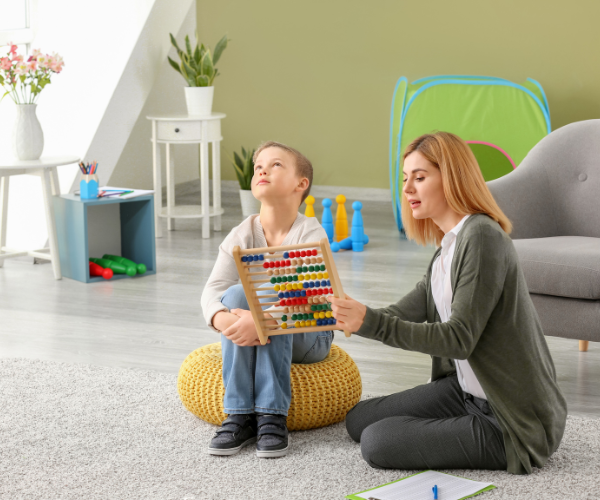
Sensory Processing in Children: Signs, Challenges and How Occupational Therapy Can Help
Introduction
Children experience the world through their senses every day. They see, hear, touch, taste, smell, move, and receive information about their body and surroundings. The brain processes this information and helps the child respond appropriately.
For some children, processing sensory information can be challenging. They may become overwhelmed by certain sounds, avoid specific textures, seek constant movement, dislike particular clothing, or find everyday environments difficult to manage.
These differences can affect a child’s participation in play, learning, self-care, family routines, and social activities.
Occupational Therapy can help identify how sensory processing differences are affecting a child’s daily functioning and provide individualized strategies to support participation and regulation.
What Is Sensory Processing?
Sensory processing refers to the way the nervous system receives, organizes, and responds to information from the senses.
Sensory information comes from both the environment and the child’s own body.
The commonly recognized sensory systems include:
- Visual – information received through sight
- Auditory – information received through hearing
- Tactile – information received through touch
- Olfactory – information received through smell
- Gustatory – information received through taste
- Vestibular – information related to movement and balance
- Proprioceptive – information about body position and movement
- Interoceptive – information about internal body sensations such as hunger, thirst, or the need to use the toilet
The way children respond to sensory information can vary considerably from one child to another.
What Are Sensory Processing Differences?
A child with sensory processing differences may respond to sensory information more strongly, less strongly, or in a different way than expected.
For example, one child may find the sound of a vacuum cleaner extremely uncomfortable, while another child may actively seek loud sounds or movement.
Sensory differences are not the same for every child. Understanding the individual child’s responses is therefore an important part of assessment and intervention.
Common Signs of Sensory Processing Difficulties
Parents may notice a range of behaviors depending on the child’s sensory profile.
Sensitivity to Sounds
A child may:
- Cover their ears around loud sounds
- Become distressed in crowded or noisy environments
- Avoid certain places because of background noise
- React strongly to unexpected sounds
Sensitivity to Touch
Some children may:
- Avoid certain clothing materials
- Dislike hair washing or brushing
- Avoid messy play
- Become uncomfortable with certain textures
Seeking Movement
Other children may constantly seek movement by:
- Running or jumping frequently
- Spinning
- Climbing
- Seeking opportunities to move
- Finding it difficult to remain seated for activities
Movement-seeking behavior can have different causes, so it is important to understand the child’s overall developmental profile rather than assuming that sensory processing is the only explanation.
Difficulties With Food Textures
Some children may be selective about food because of differences in how they experience taste, smell, texture, or temperature.
They may:
- Avoid particular textures
- Prefer a very limited range of foods
- Become distressed when new foods are introduced
- Avoid mixed or unfamiliar textures
Persistent feeding difficulties may require assessment by an appropriate healthcare professional, particularly when nutrition, growth, or safety is affected.
How Sensory Processing Can Affect Daily Life
Sensory processing differences can influence a child’s ability to participate in everyday activities.
At Home
A child may find:
- Bathing
- Dressing
- Mealtimes
- Grooming
- Household noises
- Bedtime routines
more challenging.
At School
Sensory challenges may affect:
- Participation in classroom activities
- Tolerance of busy environments
- Use of classroom materials
- Transitions between activities
- Participation in movement or group activities
During Play
A child may avoid certain play activities, seek intense movement, or find it difficult to engage with different toys and materials.
Recognizing these patterns can help parents and professionals understand what may be making participation difficult.
Sensory Processing and Child Development
Sensory processing is one part of a child’s overall developmental profile.
Sensory differences may be seen in children with:
- Autism Spectrum Disorder (ASD)
- Developmental Delays
- ADHD
- Neurodevelopmental Disorders
- Genetic Disorders
However, sensory-related challenges can occur for different reasons, and the presence of a sensory difficulty does not by itself indicate a particular diagnosis.
A professional assessment is important when sensory responses consistently interfere with a child’s everyday participation.
How Occupational Therapy Can Help
Occupational Therapists look at how a child’s abilities and sensory responses affect meaningful everyday activities.
Depending on the child’s individual needs, Occupational Therapy may support:
- Sensory regulation
- Body awareness
- Motor coordination
- Participation in play
- Self-care routines
- Classroom participation
- Daily living activities
- Functional independence
Therapy activities are selected according to the child’s goals, developmental profile, and functional needs.
What Happens During an Occupational Therapy Assessment?
An Occupational Therapist may gather information about:
- The child’s developmental history
- Daily routines
- Sensory preferences and responses
- Motor abilities
- Self-care skills
- Play skills
- School participation
- Family concerns
The therapist may also observe the child during age-appropriate activities to understand how sensory and motor factors influence participation.
This information helps guide an individualized intervention plan.
What Can Parents Do at Home?
Parents can support children by creating predictable and supportive routines.
Observe Patterns
Notice when your child becomes overwhelmed or seeks additional sensory input.
Look for patterns related to:
- Time of day
- Environment
- Activity
- Noise
- Clothing
- Food
- Transitions
Prepare for Changes
Give your child advance notice before changes in routines whenever possible.
Visual schedules, simple explanations, and predictable routines may help some children prepare for transitions.
Provide Opportunities for Movement
Age-appropriate physical activities such as walking, climbing, outdoor play, or movement games can provide opportunities for active participation.
Respect Sensory Preferences
Avoid forcing a child into an activity that causes significant distress. Instead, discuss the concern with the child’s therapist and work toward gradual, individualized strategies where appropriate.
Work With the Therapy Team
Parents can provide valuable information about what happens at home. Sharing observations with the Occupational Therapist helps ensure that therapy goals remain practical and relevant to everyday life.
When Should Parents Consider an Assessment?
Consider discussing an Occupational Therapy assessment if sensory-related behaviors consistently interfere with:
- Daily routines
- Feeding
- Dressing
- Grooming
- Sleep routines
- Play
- School participation
- Family activities
- Independence
Parents do not need to wait for difficulties to become severe before seeking professional guidance.
An assessment can help identify the child’s strengths, challenges, and functional needs.
Why Individualized Support Matters
There is no single sensory strategy that works for every child.
Two children may show similar behaviors but have completely different needs. For this reason, intervention should be based on individual assessment rather than a one-size-fits-all approach.
The goal of Occupational Therapy is not simply to make a child tolerate every sensory experience. Instead, therapy focuses on helping the child participate more comfortably and successfully in meaningful daily activities.
Frequently Asked Questions
What is sensory processing in children?
Sensory processing is the way the brain receives, organizes, and responds to information from the senses and the body.
Does every child with sensory difficulties need Occupational Therapy?
Not necessarily. An assessment can help determine whether sensory differences are significantly affecting the child’s daily participation and whether Occupational Therapy may be appropriate.
Can sensory processing difficulties affect school?
Yes. For some children, sensory differences may make busy classrooms, transitions, movement activities, or certain classroom materials more challenging.
Is sensory processing difficulty the same as Autism?
No. Sensory differences can occur in children with Autism Spectrum Disorder, but sensory difficulties alone do not mean that a child has autism.
Can sensory processing improve with therapy?
Occupational Therapy can help children develop strategies and skills that support regulation and participation. Progress depends on the child’s individual needs, goals, and response to intervention.
Conclusion
Sensory processing plays an important role in how children participate in everyday life.
When sensory differences interfere with play, learning, self-care, feeding, or family routines, understanding the child’s individual needs can be an important first step.
Occupational Therapy can provide individualized support to help children participate more comfortably and independently in meaningful activities at home, school, and in the community.
At Aspire Child Development & Rehabilitation Center, our Occupational Therapy approach focuses on understanding each child’s developmental profile and supporting practical skills that contribute to participation, confidence, and independence.
Contact Aspire Child Development & Rehabilitation Center
Location: Villa 45, Al Rawda 3, Ajman, UAE
Phone: +971 56 962 6159 | +971 6 523 8784
Email: info@aspirecenter.ae